As part of property management, the well-being and safety of tenants must always be a priority. In an emergency, quick and effective communication can make all the difference. Whether it’s a plumbing issue, a power outage, or a threatening situation, having a clearly established emergency contact allows for prompt reaction and reassurance for occupants. In 2025, as tenant expectations regarding their property managers increase, it is essential to implement an alert and communication system that takes into account new technologies and best practices.
The importance of an emergency contact for tenants
Emergencies can happen at any time. Managing these situations requires not only good preparation but also smooth communication between the property manager and tenants. In case of fire, flooding, security issues, not having an emergency contact can worsen the situation and undermine residents’ sense of safety.
By establishing a emergency contact, you demonstrate to your tenants that their safety is a priority. It can also reassure new residents considering renting a property from you. This approach helps build a trust relationship between the owner and the tenant, often resulting in longer leases and less turnover.
- 🛠️ Incident prevention: Having an emergency contact helps resolve issues quickly before they become critical.
- 📞 Rapid response: Clearly defined contact allows for a quick response, limiting damage.
- 🧑🤝🧑 Strengthening the relationship: Effective communication improves the relationship with your tenants.
| Type of emergency | Recommended emergency contact | Ideal response time |
|---|---|---|
| Plumbing | Plumbing company | Less than 1 hour |
| Electricity | Electrician | Less than 2 hours |
| Security | Police/Emergency services | Immediate |
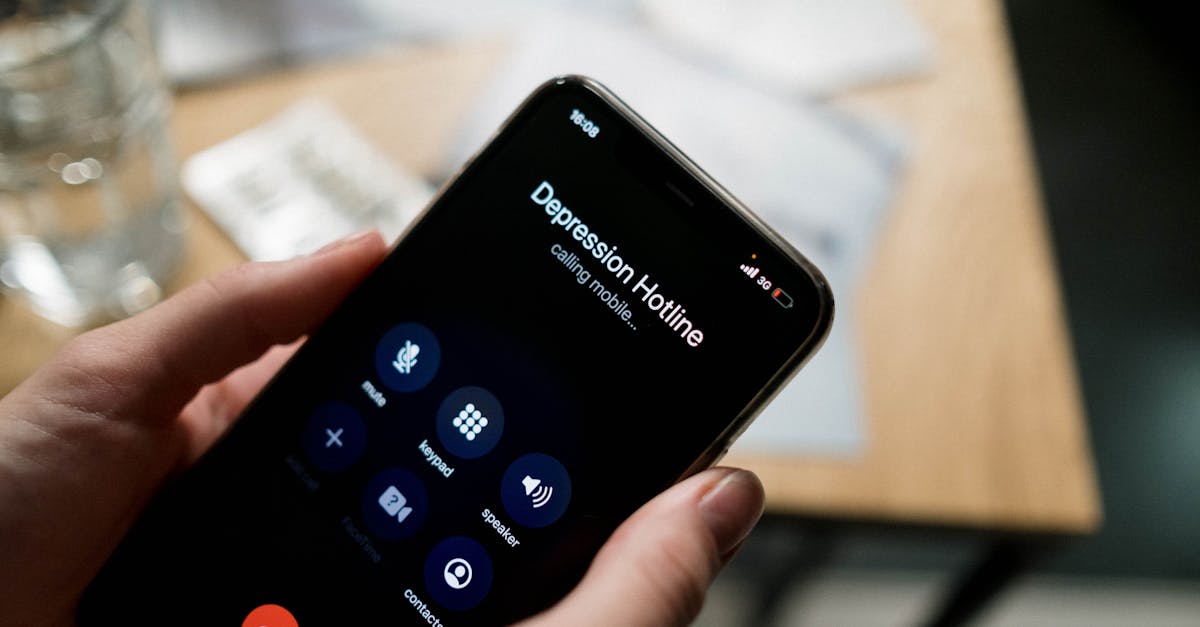
How to define an effective emergency contact
Defining an emergency contact is not just about choosing a phone number. It’s a process that requires reflection on the different types of emergencies possible on your properties. In 2025, consider not only traditional contacts but also modern options like messaging apps.
It is important to rank emergencies by priority to provide appropriate responses for each situation. Here are some steps to follow:
- 📋 Establish a list of possible emergencies: What situations require a quick reaction? This might include heating issues, lack of hot water, or security incidents.
- 📞 Choose appropriate contacts: Select reliable professionals who can intervene quickly. This could be a local tradesperson, a security company, or an on-call service.
- 🔄 Regularly update contacts: Phone numbers can change. Make sure to verify and update contacts every six months.
By following these steps, you will be able to create a solid emergency plan. Remember to inform your tenants of the details. Proactive communication makes all the difference.
Using modern technologies for emergency management
In 2025, technologies continue to evolve and offer essential tools for managing emergency situations. Adopting these tools can facilitate the process. From property management applications to connected security systems, there are several options available to you.
It is possible to implement a 24/7 emergency service that combines security calls, maintenance, and tenant alerts. This allows residents to have direct access to assistance in case of a problem. Solutions like SécuriContact enable centralization of alerting for various emergencies in one contact point.
- 📲 Mobile applications: Provide your tenants with an app where they can report problems.
- 🔔 Alert systems: Use push notifications to warn tenants in case of emergency.
- 🖥️ Management platforms: Platforms like PLANITEL allow simplified management of emergency calls.
| Tasks | Recommended technology | Advantages |
|---|---|---|
| Emergency reporting | Property management application | Quick response |
| Prevention | Connected sensors | Early detection |
| Communication | SMS alert system | Instant messages |
Inform tenants about emergency procedures
Once the emergency contact is established, it is crucial to inform all tenants of the procedures to follow in case of a problem. You can create a welcome booklet or a digital guide. This type of document is an excellent way to provide essential information.
The information to include could be:
- 📝 Emergency contacts: Who to call and when.
- 🔍 Safety tips: How to manage situations like a gas leak or fire.
- 🔔 Evacuation procedures: Ensure everyone knows where to go in case of emergency.
It is important that this information is clearly displayed in each rental unit, in addition to being sent digitally.
| Type of information | Recommended location |
|---|---|
| Emergency contact | Inside each apartment |
| Evacuation procedures | Hallways and main exits |
| Security numbers | On building notice boards |

Ensuring follow-up after the emergency
After an emergency situation, it is essential to follow up. This can help not only resolve any residual issues but also maintain a trusting relationship with your tenants. A simple call or message to check that everything is okay can make a big difference.
Follow-up may include:
- 📞 Verify the situation: Ensure the problem has been resolved and everyone is safe.
- 📩 Gather feedback: What aspects of emergency management worked well? What could be improved?
- 🔧 Organize repairs if necessary: Ensure all repairs related to the incident are completed promptly.
| Action | Object | Recommended timeline |
|---|---|---|
| Post-emergency verification | Phone call | 24 hours |
| Feedback collection | Online form | 3 days |
| Repairs | Maintenance technician | 1 week |
The role of specialized emergency services
There are specialized emergency services that can help you better manage critical situations. These services are particularly useful for managers who cannot be present at all times. In 2025, many services offer solutions tailored to property owners’ needs.
Here is an overview of the types of services available:
- 👮♂️ Security services: Available 24/7 to address security issues.
- ⚙️ Maintenance services: To respond quickly to breakdowns and other technical incidents.
- 📞 Help hotline: To provide telephone assistance to your tenants.
| Type of service | Characteristics | Price |
|---|---|---|
| Security | 24-hour patrol | Variable depending on the area |
| Maintenance | Rapid intervention | Starting at €50 |
| Hotline | Immediate assistance | Monthly subscription |
FAQ about emergency contacts for tenants
Here are some common questions about managing emergency contacts for tenants:
- How can I choose the right emergency service?
Look for services with good reviews, available 24/7, and a proactive customer approach. - What information should be communicated to tenants?
Emergency contacts, procedures to follow, and safety information are essential. - How often should I update my emergency contacts?
It is recommended to do so every six months or whenever services change. - Should all tenants have equal access to emergency contacts?
Yes, each tenant should have access to the information equally to ensure their safety. - How can I monitor the effectiveness of an emergency contact?
Regularly seek feedback from your tenants to identify possible improvements.
In this constantly evolving world, ensuring your tenants’ safety should not be optional. Establishing a reliable emergency contact is an investment in everyone’s peace of mind and the success of your rental management.
