The short-term rental market, especially via platforms like Airbnb, has significantly evolved in recent years. Hosts are increasingly numerous in offering their accommodations, making competition on these platforms more intense than ever. Simply having a well-located property is no longer enough. Owners must adapt their offerings and practices to stand out and ensure memorable experiences for their guests. Managing your Airbnb like a pro requires a well-thought-out strategy, combining efficiency, attention to detail, and a sharp sense of customer service. Whether you are an experienced owner or just starting out, this article provides practical advice and tips to maximize your income while offering exceptional service. Follow the guide to become a must-know host on Airbnb!
Understanding the Challenges of Airbnb Management
Before getting started with managing your Airbnb listing, it is crucial to clearly understand the challenges involved in this activity. More than just a way to rent out space, managing a property on Airbnb involves a series of responsibilities that can directly impact your profitability. Aspects to consider include competition, traveler expectations, and legal obligations. When talking about competition, it is impossible to ignore the increasing number of available rental properties. By 2025, thousands of listings will be posted daily across platforms such as Airbnb, Booking.com, and Abritel. This means that to capture travelers’ attention, you must develop a serious and attractive offer.
It is also essential to consider guest expectations. Travelers seek unique experiences, often beyond just providing a place to sleep. This translates into an increased demand for services such as cleaning, quick responses to messages, or the availability of specific amenities. Therefore, a good host must be proactive and attentive to every detail, both when creating the listing and during interactions with guests.
Challenges and Opportunities
Challenges can often be intimidating, but they also present opportunities. One of the main issues in rental management is managing guest reviews. Reviews play a vital role in the visibility of your listing. A negative comment can significantly impact your bookings. However, it also provides a chance for improvement. Each piece of feedback can be used to refine your service and better meet expectations. Investing in management and communication tools can also save you many headaches, for example, by automating certain interactions.
In summary, every aspect of managing a rental must be carefully studied. Whether it’s harmonizing service with technology or anticipating traveler needs, it’s necessary to keep an eye on market trends and adjust practices accordingly. These adjustments not only help you better manage your property but also maximize its profitability.
The Fundamentals of Listing Your Property
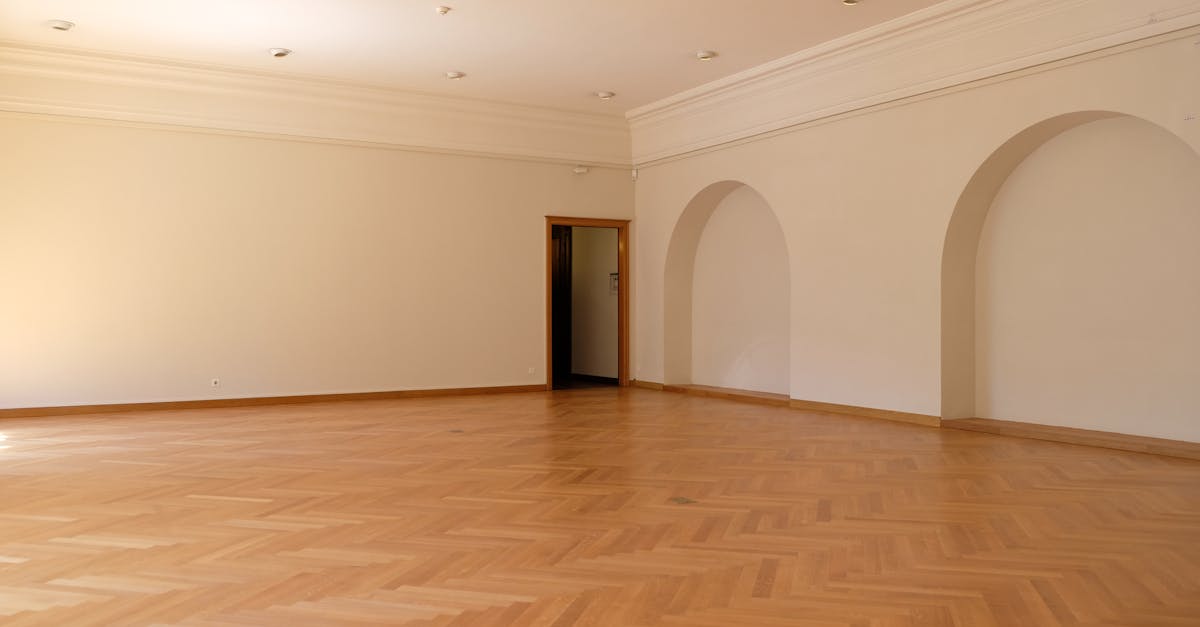
A good Airbnb listing must start with an optimized advertisement. The listing is your first chance to impress future guests. Indeed, it’s often the first contact between you and travelers. Therefore, it is essential that it accurately reflects the quality of your property while highlighting its strengths. Before you start writing, take a moment to think about what makes your property unique.
Elements to Include in Your Listing
To craft a listing that truly attracts attention, here are some key elements not to overlook:
- Attention-grabbing Title: A standout title can catch the eye and generate interest.
- Detailed Descriptions: Provide a comprehensive description of amenities, nearby activities, and what sets your property apart from others.
- High-Quality Photos: Investing in professional photos is essential. An image is worth a thousand words and helps illustrate the quality of your property.
- Transparent Pricing: Be clear about your prices and any additional costs (cleaning fees, taxes, etc.). A transparent approach reassures travelers.
- Responsiveness: Respond quickly to potential guests’ questions. This can make the difference between a successful booking and missed opportunities.
To position yourself effectively on Airbnb, it’s also advisable to review similar listings in your area. This will give you insights into pricing, descriptions, and photos of competitors. You can then adjust your listing to be both competitive and appealing.
Managing Check-in and Communication with Guests
Once your listing is online, it is essential to properly manage guests’ check-in and communication. A good experience begins right at arrival. This involves a warm and tailored welcome, as well as smooth communication before and during the stay. It’s vital for hosts to make guests feel welcomed and confident. Why is communication so important? It establishes the initial connection and can influence the overall impressions of the traveler.
Best Practices for Check-in and Communication
Here are some essential tips for managing check-in and guest communication:
- Welcome Message: Upon booking confirmation, send a welcome message and provide practical information (entry code, Wi-Fi, etc.).
- Guided Tour: If possible, offer a tour of your property and explain how everything works so guests feel at ease.
- Availability: Establish clear communication channels. Respond promptly to questions and concerns during their stay.
- Feedback After Stay: Don’t hesitate to request feedback at the end of the stay. This can help you continuously improve your service.
- Clear Expectations: Set rules from the start to avoid ambiguity (e.g., policies on parties or pets).
A successful check-in and good communication can turn an ordinary stay into a memorable experience, encouraging travelers to leave positive reviews and recommend your property.

Optimizing Maintenance of Your Property
Property maintenance is a key point in managing your Airbnb rental. A clean and well-maintained space is essential not only to attract bookings but also to maintain guest satisfaction. Good maintenance management prevents many issues and ensures your property stays in excellent condition over the long term. This section highlights best practices for upkeep.
Practical Tips for Maintenance
Here are some strategies to ensure effective maintenance of your property:
- Cleaning Checklist: Create a checklist for cleaning before each new booking to ensure nothing is overlooked (checking bulbs, cleaning surfaces, restocking toiletries).
- Preventive Maintenance: Schedule regular interventions (smoke detector checks, gutter cleaning) to avoid surprises.
- Emergency Plan: Keep reliable local contacts (plumber, electrician) for urgent situations.
- Test Equipment: Periodically stay in your own property to personally identify potential issues guests may encounter.
Investing in maintenance not only improves the guest experience but also keeps your property in good condition. Hosts are often willing to pay more for a well-maintained property, which can translate into higher booking fees in return.
Maximizing Your Income with Dynamic Pricing
Dynamic pricing is a crucial strategy to maximize your rental income. Adopting this method allows you to adjust rates based on various factors such as seasonality, local events, and overall demand. To avoid getting lost in this strategy, it’s important to understand how it works.
Key Factors for Dynamic Pricing
Here are some critical points to consider when implementing a dynamic pricing strategy:
- Competitor Analysis: Keep an eye on the prices of similar accommodations in your area to ensure that your rates remain competitive.
- Seasonality: Take into account high-demand periods (summer vacations, local events) to adjust your rates.
- Pricing Tools: Use tools like Pricelabs or other revenue management software to automate your rate adjustments.
- Flexibility: Be ready to modify your rates based on market fluctuations and demand.
Proactively managing your prices can significantly increase your revenue without extra effort. However, it is crucial to stay informed about market trends to fully capitalize on opportunities.

Managing Reviews and Building Your Property’s Reputation
Review management is a key element in maintaining a good reputation on platforms like Airbnb, Tripadvisor, or HomeAway. Customer feedback can have a major impact on your long-term success. Positive reviews attract new guests, while negative ones can deter bookings. Therefore, it’s an aspect not to neglect.
Strategies for Effectively Managing Reviews
Here are some solutions to proactively manage your guest reviews:
- Encourage Feedback: After each stay, invite your guests to leave a comment. Offering a small gesture (like a local coffee) can incentivize positive feedback.
- Analyze Criticisms: Take the time to read each comment and draw lessons to improve your service.
- Quick Response: Respond to reviews, whether positive or negative. This shows you value feedback and care about your guests’ experience.
- Regular Maintenance: A clean and well-maintained property is often valued in comments. This attention can make all the difference.
By properly managing your reviews, you build a strong reputation that will doubtlessly attract more travelers in the future.
Using Management Tools to Simplify Your Tasks
Using management tools can transform your rental management experience. In 2025, many solutions are available to automate and facilitate various tasks related to managing a rental. These software can handle communication, bookings, and even dynamic pricing.
Tools to Consider for Effective Airbnb Management
Here are some recommended tools that can help you optimize your management:
- Channel Managers: Tools that synchronize your listings across multiple platforms (Airbnb, Booking.com, etc.) to prevent double bookings.
- Communication Automation: Software like Guestline or Hostaway allows you to automate messages sent to travelers.
- Analytics Tools: Use tools like Key Data Dashboard to monitor your performance and optimize your strategy.
- Pricing Tools: Solutions like Beyond Pricing or PriceLabs help you manage your rates dynamically.
Investing in these technologies may seem costly, but the return on investment is often quick since it saves time and reduces daily workload.
Practical Guide to Staying Compliant with Local Regulations
Managing your Airbnb property also requires careful attention to local regulations. Each city or region has its own rules regarding short-term rentals, and it’s imperative to comply to avoid financial penalties. Non-compliance can have serious consequences for your activity.
Elements to Check for Compliance
Here are several steps to follow to respect local regulations:
- Rental License: Check if you need to obtain a specific permit to rent your property on platforms like Airbnb.
- Co-ownership Rules: If your property is part of a co-ownership, review the regulations to ensure short-term rentals are permitted.
- Tax Obligations: Find out about tax obligations, including declaring your rental income.
- Insurance: Ensure you have adequate coverage to protect against damages or accidents during your guests’ stay.
By following these rules, you protect yourself as an owner and ensure a positive experience for your guests, allowing them to stay in a safe and legal environment.
FAQ
- How can I attract more travelers to my Airbnb listing?
Invest in good photos, an engaging description, and stay proactive in responding to traveler inquiries.
- How important are guest reviews for my Airbnb management?
Reviews greatly influence your reputation and can make the difference between securing a reservation or not.
- How do I handle conflicts with travelers?
Communicate clearly and promptly to resolve issues as needed. Do not hesitate to personalize your responses.
- Which tools can help me manage my Airbnb?
Tools like Guestline or PriceLabs assist in automating your communication and managing your rates.
- What are the key regulations I should be aware of as an Airbnb host?
Research necessary licenses, co-ownership rules, and fiscal obligations in your region.
