The rental of a commercial space on Airbnb is gaining increasing importance in the French real estate economy, especially in urban centers such as Paris, Bordeaux, or Lyon. This phenomenon results from a significant disparity with primary residence rentals: unlike these, which are limited to 120 days of annual leasing, commercial premises can be rented out for the entire year. This particularity offers a unique opportunity to optimize the profitability of real estate assets, with yield rates ranging from 8 to 12%, several times higher than conventional rental investments. Optimizing the exploitation of commercial properties requires a nuanced understanding of urban planning, tax, and contractual regulations, particularly within the framework of Airbnb and other platforms like Booking.com, Vrbo, or HomeAway. This context presents specific challenges related to changing the use of the property, transforming its destination, and adapting it to meet comfort standards comparable to those of the hotel industry. Here is a comprehensive and methodical overview to understand, anticipate, and successfully manage the seasonal rental of your commercial space on Airbnb.
1. The specificities of a commercial property for Airbnb rental
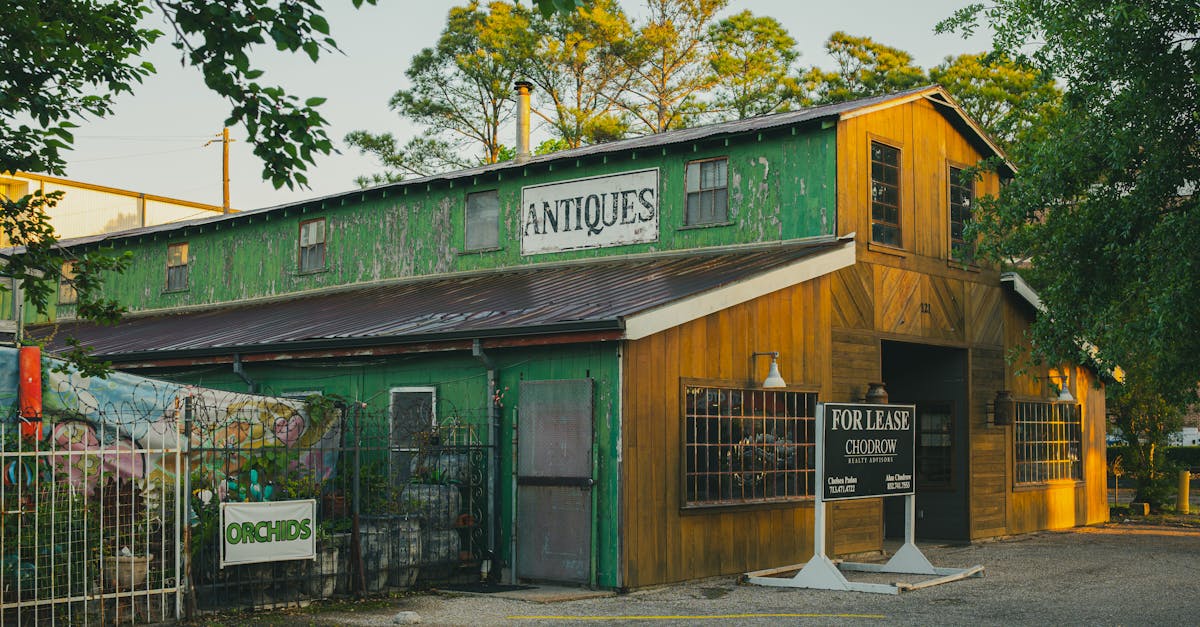
A commercial property is clearly distinguished from a residential unit by its destination and use. By commercial property, we mean any space dedicated to an economic activity other than residential:
- 🛍 Commercial premises: shop, storefront facing the street
- 🏢 Office suite or professional service spaces
- 📦 Storage rooms or storage areas
- 🍽 F&B or hotel accommodation for tourism purposes
The notion of commerciality is therefore central: it defines the right to operate the property for commercial purposes, along with the obligations and constraints associated. This establishes that, unlike a residence subject to strict rental duration regulations (maximum 120 days for primary residences), seasonal rental of a commercial premises offers far greater freedom.
This distinction leads to a crucial advantage for rental investors: the ability to rent out year-round without restrictions related to the number of days, thereby maximizing potential income. On average, the profitability of commercial properties in large cities can significantly surpass that of traditional residential units, with a net annual yield between 8% and 12%, depending on location and property quality, doubling or tripling traditional real estate market returns. These figures are confirmed by multiple analyses, including those presented in GuestReady’s portfolio, where a variety of commercial spaces demonstrated solid financial performance.
It should be noted that to optimize this profitability, the accommodation capacity must be thoughtfully and creatively designed: hosting groups rather than individuals, these spaces should maximize sleeping arrangements compatible with the surface area and comfort expectations.
| Commercial property surface area 📐 | Recommended maximum capacity 🛏 | Important comments |
|---|---|---|
| Up to 24 m² | 2 people | Ideal for a couple or a business trip alone |
| 24 to 42 m² | 4 people | Possible sofa bed, living room up to 34 m², or two bedrooms |
| 42 to 65 m² | 6 people | Two bedrooms, living room with sofa bed |
| 65 m² and more | 8 people | Three bedrooms, living room with sofa bed |
These data influence purchasing decisions as well as the design of the space. Several collaborative platforms such as Airbnb, Tripadvisor, Expedia, or Sonder now emphasize the importance of balancing capacity with the quality of the experience offered.
To deepen understanding of commercial properties and prepare a prudent investment in this sector, it is recommended to consult specialized market analyses that detail the specifics of Paris, Lyon, and Bordeaux specifically (see, for example, analyses on Welkeys and GuestReady).
2. How to identify and verify the commercial use of a property
Before purchasing or renting a commercial property intended for seasonal rental on Airbnb, it is crucial to thoroughly verify its usage status. Several elements can establish the property’s commercial or non-commercial nature:
- 📄 Co-ownership regulations: explicitly specify the type of property – commercial premises, storage, office – clarifying its actual use often helps.
- 💰 Taxes: the presence of a property tax instead of a residence tax is a good indication of commerciality.
- 📜 Deed of sale: details the declared use of the property at purchase, including commercial status.
In more subtle cases, especially for properties built before 1970, it is possible to request the land revision sheet from the notary, which indicates the declared use at that time. For properties constructed after 1970, refer to the use specified in the building permit.
In case of a hypothetical purchase pending specific certifications, including a suspensive clause in the sales agreement requiring the property to be for commercial use can protect the buyer from a mistaken acquisition. This approach ensures investment security while ensuring administrative compliance.
| Verification element 🔍 | Description | Importance in validation ✅ |
|---|---|---|
| Co-ownership regulations | Formally defines the destination of the lot – commercial, office, storage | 🔴 High |
| Land tax vs residence tax | Tax indication on the category of property | 🟠 Medium |
| 1970 land revision sheet | Official declared use at the time of construction | 🟡 Medium |
| Building permit | Details on the declared use during the work | 🟢 Essential for recent properties |
For further information, several online guides, including those published by HostnFly or TheUpperKey, specialized in seasonal rental of commercial spaces (TheUpperKey, HostnFly), offer helpful insights.
3. Procedures for changing the use: transforming a property into a commercial rental
Changing the use is an essential step if you want to rent a property originally intended for habitation as a commercial property for seasonal rental on Airbnb. This transformation is particularly sensitive in metropolises like Bordeaux, Lyon, or Paris.
In these cities, acquiring “commerciality” depends on a market related to compensation, where a balance is struck between owners exchanging their rights to commercial use for residential use. The company Soveico is one of the main intermediaries facilitating these transactions, recognized for negotiating the transfer of commercial rights to new buyers.
- ⚖️ Market for commercial rights: acquiring a commercial use right through purchase or physical exchange.
- 💼 Legal implications: transformation must be officially registered with the relevant authorities, particularly the town hall.
- 📅 Delays: vary depending on the complexity of the case, often taking several months to a year.
In Paris, obtaining commercial rights is particularly challenging and costly, making the transformation more complex. For this reason, alternative models such as medium-term rentals via a mobility lease, which offer better returns than traditional short-term rentals, especially in high-demand cities, should also be considered.
The process is complex, and consulting experts or specialized services such as law firms experienced in this area (Derhy Avocat) who assist with negotiation and legal regularization is advisable.
| Key steps in changing the use 🔄 | Description | Average delay ⏳ |
|---|---|---|
| Purchase or exchange of commercial rights | Acquiring or trading a commercial right | 3 to 6 months |
| Declaration with the town hall | Informing the town hall of the change of use | 1 to 2 months |
| Possible technical modifications | Adapting the property if necessary (works) | Variable depending on the project |
For more information, several online resources, including property management firms like GuestReady or Welkeys, provide detailed guides on transforming and changing the use of properties (GuestReady, Welkeys).
4. Changing a commercial property’s destination for Airbnb rental
Beyond changing the use, the destination of the property, in accordance with urban planning law, is a key parameter in seasonal rental. The commercial property must belong to a destination category that permits tourism and hotel exploitation.
The main destinations legally permissible for Airbnb rental are:
- 🏬 Crafts and retail trade
- 🍴 F&B services
- 📦 Wholesale trade
- 🛎 Service activity with customer reception
- 🏨 Hotel and tourist accommodation
- 🎥 Cinema
To legally rent a commercial space for seasonal rental throughout the year, switching to a “hotel and tourist accommodation” destination is often necessary. This transformation is done via a prior declaration to urban planning authorities, unless significant work (building permit) modifies the structural support or facade.
Some regulatory elements may restrict this change:
- 💡 Requirement for luminous bays: a fully subterranean commercial space cannot be transformed into tourist accommodation due to regulations on lighting and safety.
- 🏛 Protection of retail trade: streets with retail protection may prohibit such destination changes.
It is advisable to consult specialized consulting services to formalize these procedures and benefit from expertise on local regulations. GuestReady, for example, offers streamlined support for destination transformation or urban compliance (GuestReady).
| Eligibility criteria for changing the destination 🏢 | Possible blockages 🚫 |
|---|---|
| Presence of suitable luminous bays | Entirely underground space not eligible |
| Absence of specific retail protection | Protected zones refusing destination change |
5. Optimizing capacity and arrangements for Airbnb
In seasonal rental, capacity is more decisive than floor area. Well-designed spaces maximize sleeping arrangements while maintaining a high level of comfort. This profitability approach is directly inspired by the hotel industry and standards of platforms like Sonder, FlipKey, or HomeToGo, which emphasize the quality of the customer experience.
- 🛋 Sofa bed in the living room: adds sleeping options without reducing living space
- 🚪 Configuration with multiple bedrooms: maximizes spaces from 42 m² and up, up to 8 beds
- 🛏 Modular furniture: foldaway beds or multi-use furniture
- 🎨 Decor aimed at welcoming: friendly and functional ambiance
Lack of these optimizations can negatively affect both profitability and customer satisfaction, which subsequently impacts visibility and ratings on collaborative platforms like Airbnb or Booking.com.
| Surface area | Sleeping capacity | Recommended arrangements |
|---|---|---|
| Up to 24 m² | 2 beds | Fixed double bed or sofa bed |
| 24-42 m² | 4 beds | One bedroom & sofa bed or two bedrooms |
| 42-65 m² | 6 beds | Two bedrooms, sofa bed, or foldaway beds |
| 65 m² and more | 8 beds | Three bedrooms, sofas, modular furniture |
For in-depth techniques on arrangements and management, including cleaning fees or delegating logistics, resources offered by Concierge Angels provide practical tools and advice suitable for all types of properties (Concierge Angels – Seasonal Rental Tools).
6. Local regulations and legal aspects surrounding commercial seasonal rental
The legal framework imposes strict rules that can vary widely depending on the property’s location. In major French urban centers, municipalities regulate activity to limit the tourist impact on the local real estate market. It is essential to:
- 📋 Consult the Local Urban Plan (PLU): a central element for deciding possibilities for changing the use or destination of the property
- ⚠️ Respect seasonal rental quotas: even for commercial premises, some local quotas may apply
- 📅 Make mandatory declarations: to town hall, tax office, often required for short-term tourist rentals
- 🧾 Pay applicable taxes: tourist taxes, commercial property tax, etc.
Dedicated services for seasonal rental management, such as those offered by HostnFly, greatly simplify compliance with norms by handling these regulatory and fiscal questions (HostnFly – Services).
| Legal obligation 📜 | Description | Consequences of non-compliance ⚠️ |
|---|---|---|
| Declaration to town hall | Formalize the tourist activity | Fines, suspension of activity |
| Respect of the PLU | Urban planning compliance | Permit refusal, penal sanctions |
| Payment of taxes | Land tax, tourist tax | Tax reassessment |
| Respect for safety standards | Fire prevention, accessibility | Administrative sanctions |
7. Effective management of a commercial rental on Airbnb
In addition to obtaining permits and preparing the property, professional management is essential to optimize earnings and ensure a satisfying experience. Rental management includes:
- 📅 Optimizing calendars and dynamic pricing, adjusting prices based on high-demand periods
- 🔄 Managing check-ins and check-outs with a careful welcome, key to customer satisfaction
- 🧹 Professional cleaning and maintenance, guaranteeing cleanliness and hygiene, crucial for Airbnb and TripAdvisor
- 📞 Seamless communication to respond quickly to travelers’ inquiries
To facilitate these tasks, it is common to use specialized property management services like Concierge Angels or HostnFly, especially suitable for managing commercial spaces. These services also handle publication across a wide range of multi-channel platforms such as Expedia, Tujia, FlipKey, HomeToGo, and Sonder, without increasing intermediate margins.
8. Advantages and limitations of renting a commercial space on Airbnb
Renting a commercial space on Airbnb offers several benefits for the savvy investor:
- 💵 Higher profitability than traditional residential rental
- 📆 Freedom to rent year-round without duration restrictions
- 🏙 Asset appreciation through the versatility of commercial use
- ♻️ Flexibility of evolution: possibility to change use or destination
- 🌍 Opportunity to market on multiple platforms: Airbnb, Booking.com, Vrbo, HomeAway, Tripadvisor, and more
However, the path is not without obstacles:
- ⚖️ Administrative complexity and risk of disputes if procedures are not followed
- 🏗️ Potential works to adapt the property to rental needs
- 📊 Narrower market and sometimes difficult access, especially in Paris
- 📉 Risks related to local regulation requiring ongoing monitoring
Ultimately, this kind of investment warrants thorough study and careful support to maximize profitability of a commercial property on Airbnb or alternatives such as HomeAway, Expedia, or Tujia.
| Advantages 🚀 | Disadvantages ⚠️ |
|---|---|
| High profitability | Heavy administrative procedures |
| Possible year-round rental | Potential works needed |
| Visibility across multiple platforms | Tense local market |
| Flexible use | Legislative risks |
FAQ – Common questions about renting a commercial space on Airbnb
- ❓ Can a commercial space be legally rented out on Airbnb all year round?
Yes, provided the property is properly declared for commercial use and complies with local regulations. - ❓ What are the main steps to change a residential property’s use to commercial?
Purchasing or exchanging commercial rights, followed by a declaration to the town hall, are essential for legal changes in use. - ❓ Must the destination of the property be changed to rent on Airbnb as a commercial space?
Yes, particularly towards the “hotel and tourist accommodation” destination to rent year-round seasonally. - ❓ What are the risks of not respecting urban planning regulations?
Fines, refusal to operate, or even criminal sanctions that may lead to suspension of the rental. - ❓ Can one manage the rental oneself or should an agency be hired?
If management requires significant expertise and availability, agencies like HostnFly or Concierge Angels offer effective turnkey services.
