Environmental awareness has never been as strong as it is today. Short-term rental accommodations, often seen as simple profit opportunities, can become true havens of eco-responsibility. The carbon footprint, or ecological footprint, is a crucial issue in the fight against climate change. How then can we reduce the environmental impact of these spaces while offering your tenants optimal comfort? This guide presents accessible and innovative solutions that facilitate this approach.
Understanding the carbon footprint
What is the carbon footprint really? It is a measurement that quantifies the amount of greenhouse gases emitted by various human activities. This measurement raises awareness of the impact of our way of life on the environment. In France, the average carbon footprint is 9.2 tons of CO2 per inhabitant per year. This figure is rising, and it is essential to focus on ways to reduce it.
The main sources of greenhouse gas emissions in France are distributed as follows:
- Transport: 25% 🚗
- Food: 23% 🥗
- Housing: 18% 🏠
It is therefore essential to analyze these factors and focus on actionable measures within short-term rentals. But how should tenants proceed? What responsibilities do landlords have? These questions merit examination.
Eco-responsible actions to adopt
For a tenant, reducing their ecological footprint may seem restrictive. However, many simple actions can be implemented daily to decrease energy consumption while maintaining comfort. Here are some eco-friendly gestures to consider:
- Heating optimization: Limiting the temperature to 19°C instead of 20°C allows a 7% reduction in energy consumption. Remember to lower the temperature during your absence.
- Smart lighting: Use LED bulbs and maximize natural light. Don’t forget to turn off lights when leaving a room.
- Efficient appliances: Prefer devices with an A energy rating and use eco programs on your washing machine or dishwasher.
- Water management: Take short showers and turn off the tap when possible.
Every small action counts. Adopting more environmentally friendly habits can lower your bills while acting for the planet.
The role of landlords in the energy transition
Advances in sustainability in short-term rentals are not solely dependent on tenants. Landlords also share responsibility. For example, ensuring good thermal insulation of the properties is a key step to reducing heating needs and, consequently, the carbon footprint. To convince landlords to engage in energy improvement projects, here are some arguments:
- Long-term investment: Renovation work increases the property’s value.
- Government incentives: Various financial aid and grants can reduce renovation costs.
- Increased attractiveness: An energy-efficient property attracts more environmentally conscious tenants.
Tenants should proactively discuss potential improvements with their landlord. Working together, tenants and landlords can become allies in the pursuit of sustainable housing.
Choosing green energy for your home
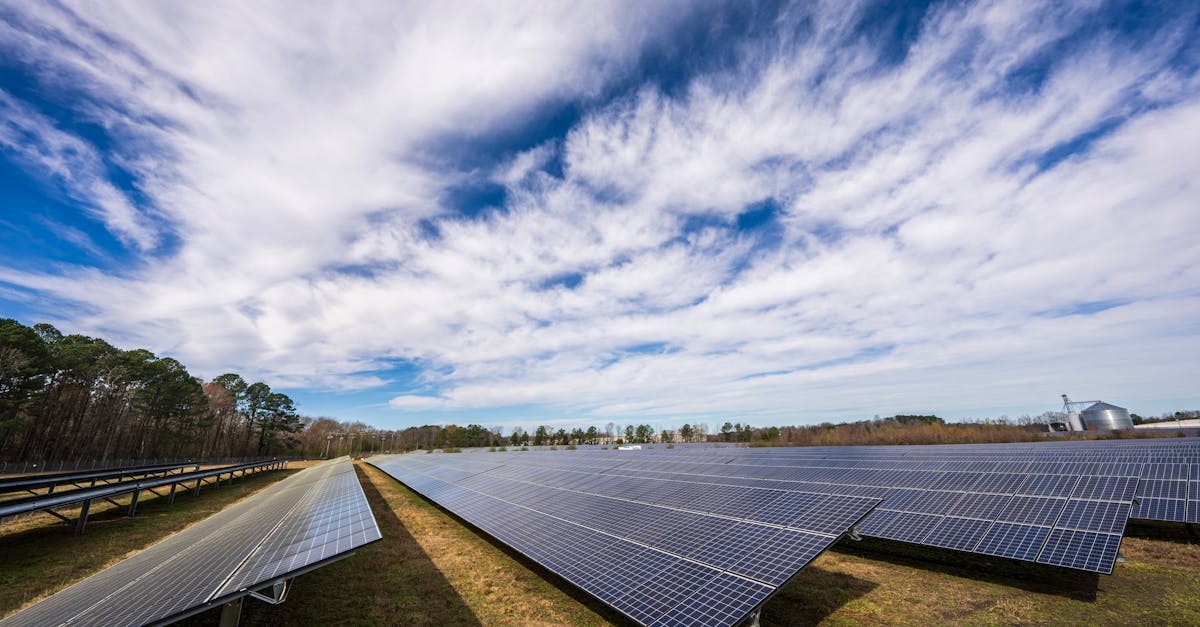
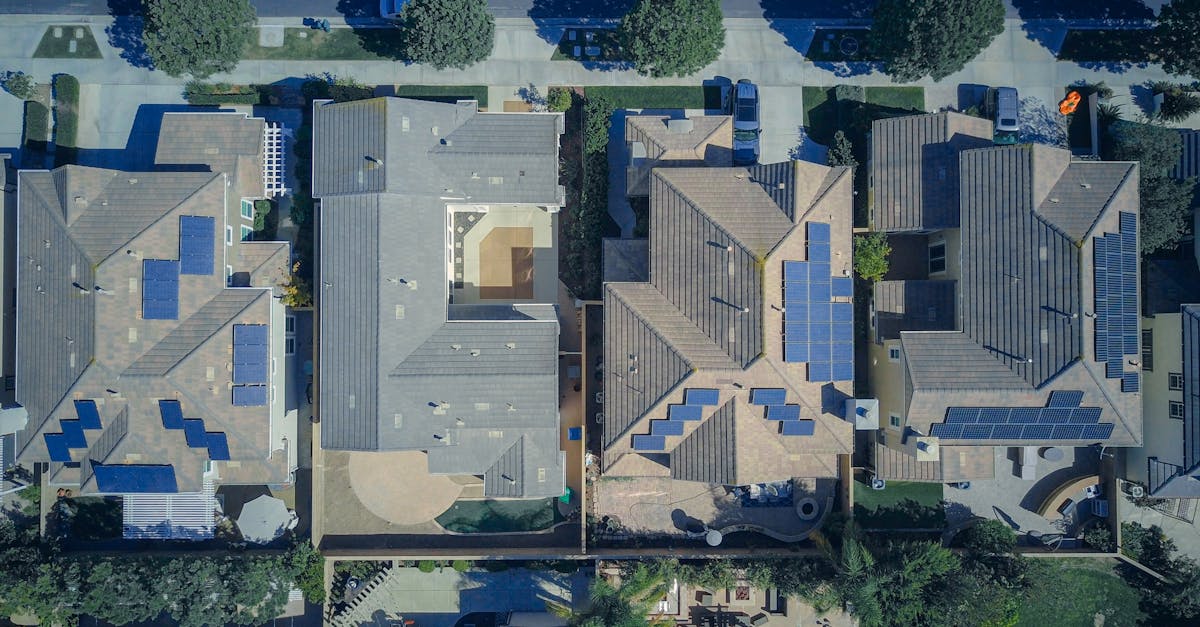
The choice of energy provider is also crucial for reducing your carbon footprint. Increasingly accessible options for renewable energy are available. Adopting green energy helps offset CO2 emissions associated with home energy consumption. Thus, deciding to switch to cleaner energy is not only beneficial for the environment but can also lead to long-term savings. To do so, it is advisable to:
- Compare offers: Evaluate different renewable energy providers based on their environmental and economic impact.
- Inform tenants: Share with them the importance of making this choice for their own ecological footprint.
- Prioritize transparency: Ensure that the energy provider offers verifiable and sustainable solutions.
This transition to clean energy represents a significant advance in reducing the ecological impact of housing.
Carbon footprint compensation
For those wishing to go even further in reducing their ecological footprint, carbon offsetting is a viable solution. This approach involves estimating the carbon emissions generated by the housing and investing in projects that absorb CO2, such as reforestation. In practice, this translates to:
- Emissions calculation: Assess the amount of CO2 produced each year by heating, electricity, and other energy sources used in the home.
- Investment in sustainable projects: Choose a reforestation project or a sustainable development initiative to offset emissions.
- Community engagement: Encourage tenants to participate in these initiatives to strengthen collective impact.
Taking a proactive approach to carbon offsetting not only helps preserve the environment but also enhances the property’s appeal to tenants concerned about their ecological impact.

The sustainable future of short-term rentals
In 2025, the need to adopt sustainable practices in short-term rentals is more urgent than ever. Current trends show a growing demand for environmentally friendly accommodations. Travelers increasingly want to find lodgings that reflect their ecological values. Property owners must seize this opportunity to move towards more sustainable and eco-friendly practices. In this way, they will not only contribute to the preservation of the planet but also become astute investors. Key elements of an effective strategy include:
- Switch to smart technology: Use devices that optimize energy consumption, like smart thermostats.
- Promote eco-friendly practices: Offer services that emphasize eco-responsibility, such as biodegradable cleaning products.
- Communicate with guests: Let travelers know that your property is part of the move towards responsible rental practices.
This way, property owners can not only contribute to better environmental management but also attract increasingly eco-conscious audiences.
Resources and tools for eco-friendly tenants
To assist you in your quest to reduce your carbon footprint, several resources and tools are available to you:
| Resources | Description | Link |
|---|---|---|
| GreenHome | A platform dedicated to the energy optimization of homes. | Visit GreenHome |
| EcoLoc | Advisory service for landlords on eco-friendly strategies. | Discover EcoLoc |
| SustainAbode | Tools for monitoring and offsetting your carbon footprint. | Explore SustainAbode |
| ÉnergétiK | Applications for managing energy consumption. | Consult ÉnergétiK |
These resources provide practical advice and solutions for all actors involved in short-term rentals seeking to reduce their environmental impact.
FAQ on reducing your carbon footprint
- How do I know if my home is energy-efficient?
Check the energy performance diagnosis (DPE) of the property before signing a lease. - What if my landlord does not want to make improvements?
Engage in a conversation about the positive impact on the property’s value. - What simple gestures can I adopt daily?
Limit heating, prioritize LED bulbs, and manage your water consumption. - How can I offset my carbon footprint?
Invest in reforestation or renewable energy projects. - Is it possible to choose my energy supplier?
Yes, there are many renewable energy options available for comparison.
